



News
•
Emission reduction at ON greater than the total reduction of geothermal power plants in Iceland

Iceland's total greenhouse gas emissions decreased by 3.9 percent between 2024 and 2025, amounting to 10.6 million tonnes of CO₂ equivalents last year. At the same time, emissions from ON´s power plants decreased by nearly 12 thousand tonnes, which corresponds to about 15 percent of the total reduction in societal emissions in Iceland.
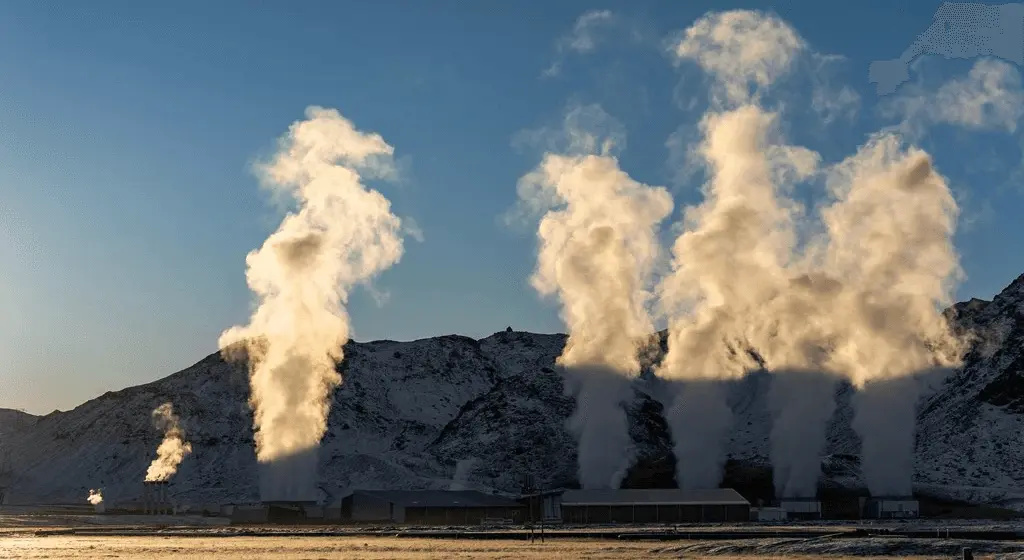
The reduction in emissions from ON's power plants was also greater than the combined reduction from all geothermal power plants in the country, which amounted to about 9,200 tonnes year-on-year.
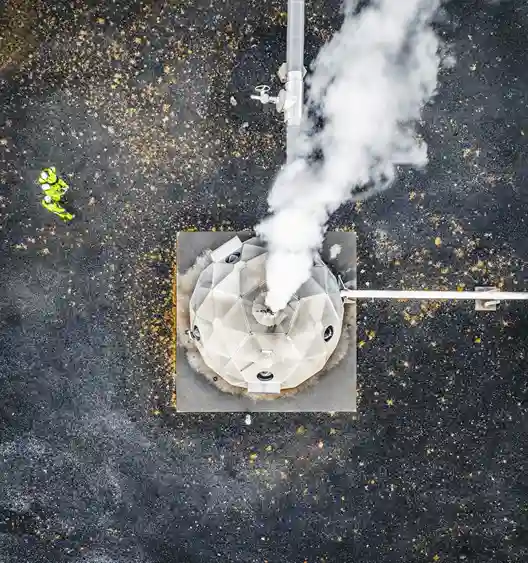
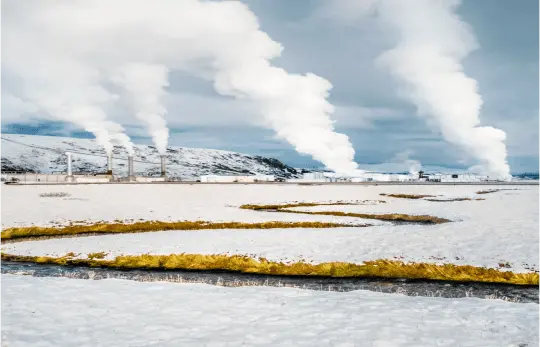
Increased capture of geothermal gases by ON plays a major role in this. At Hellisheiði, systematic work has been carried out to reduce emissions from geothermal energy production, among other things with Steingerður, a new gas purification plant that captures both carbon dioxide (CO₂) and hydrogen sulfide (H₂S).
Steingerður is part of the ongoing development at Hellisheiði, where the goal is to reduce emissions from geothermal utilization and make better use of the technology and infrastructure that have been built up there. The project builds on the experience gained in capture and injection in cooperation with Carbfix.
“It is pleasing to see emissions decrease year-on-year, and especially to see the results achieved in our own operations. At the same time, we know that more needs to be done if Iceland is to achieve the goals set in climate matters. This calls for actions in many sectors of society and continuous development and innovation in the business sector. We at ON will continue to work on reducing emissions from our operations and utilizing geothermal energy in a responsible manner,” says Árni Hrannar Haraldsson, Managing Director of ON Power.
Although emissions from geothermal power plants are only a fraction of Iceland's total emissions, the figures show that technological development and increased capture can have a real impact. Work is also underway to better understand the nature of these emissions, as geothermal areas release gases naturally long before they are harnessed. An international collaboration of scientists, governments, and operators within the IEA Geothermal Gas Management Task is currently working to improve the understanding of the interaction between natural emissions and the impact of geothermal utilization, and to develop harmonized methods for greenhouse gas accounting. In parallel with this work, ON and its partners continue to focus on systematically reducing emissions associated with utilization through capture and injection or the utilization of geothermal gases.


